

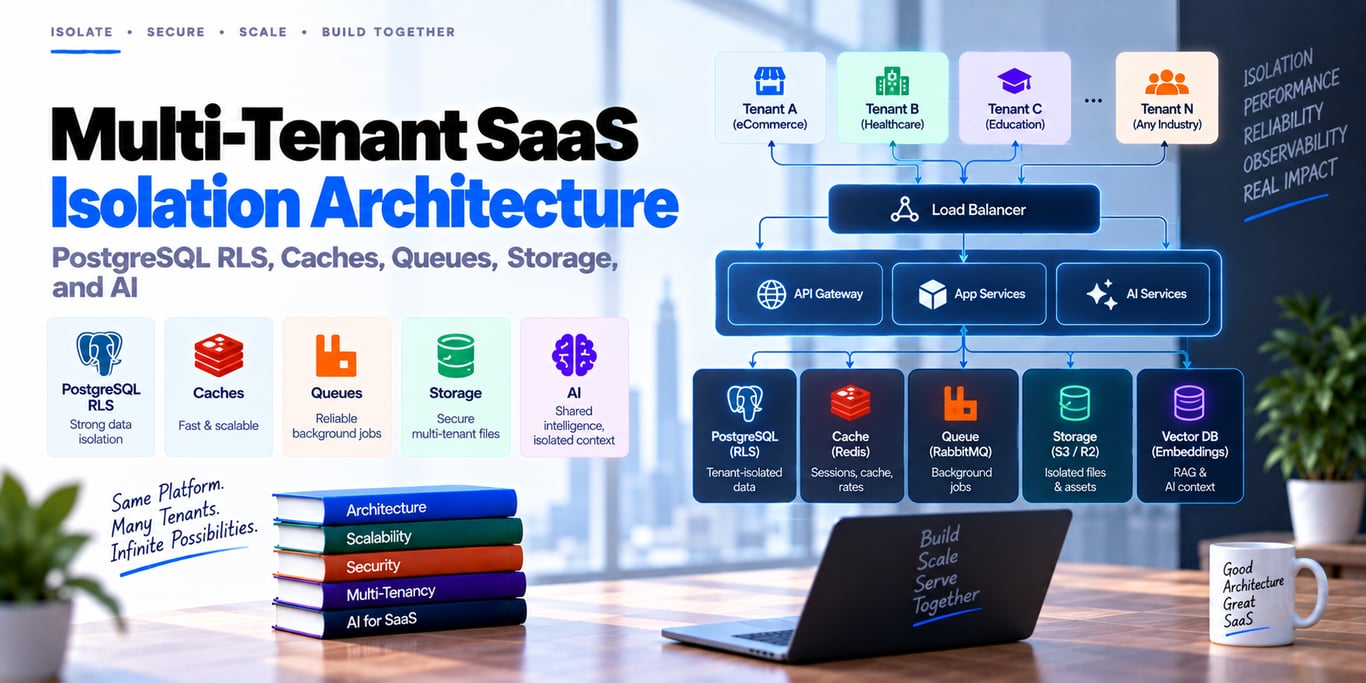
Multi-Tenant SaaS Isolation Architecture: PostgreSQL RLS, Caches, Queues, Storage, and AI
A practical production guide to tenant isolation across PostgreSQL RLS, Redis caches, background jobs, queues, object storage, search, RAG, analytics, and AI tools without overengineering your SaaS.
All Categories
Showing 13 of 386 articles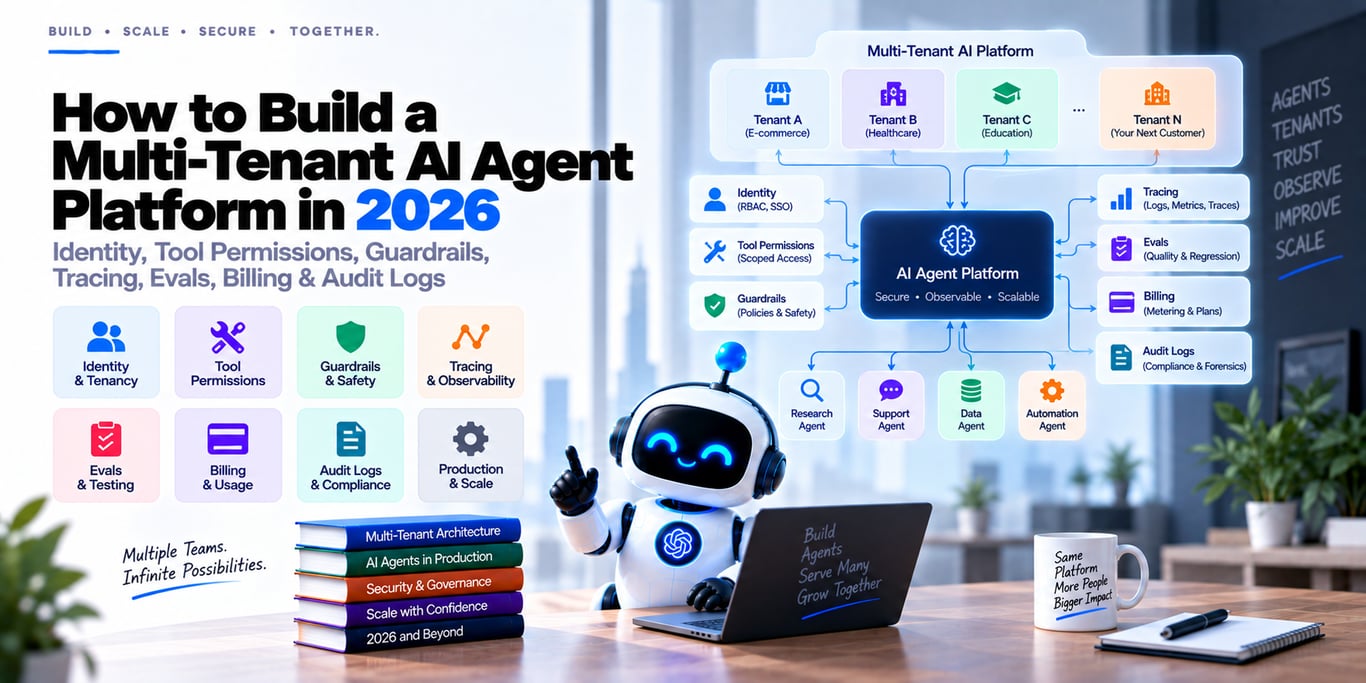
How to Build a Multi-Tenant AI Agent Platform in 2026: Identity, Tool Permissions, Guardrails, Tracing, Evals, Billing & Audit Logs
A production blueprint for building secure multi-tenant AI agent platforms with tenant isolation, delegated identity, tool authorization, approvals, tracing, evals, usage billing, and immutable audit logs.
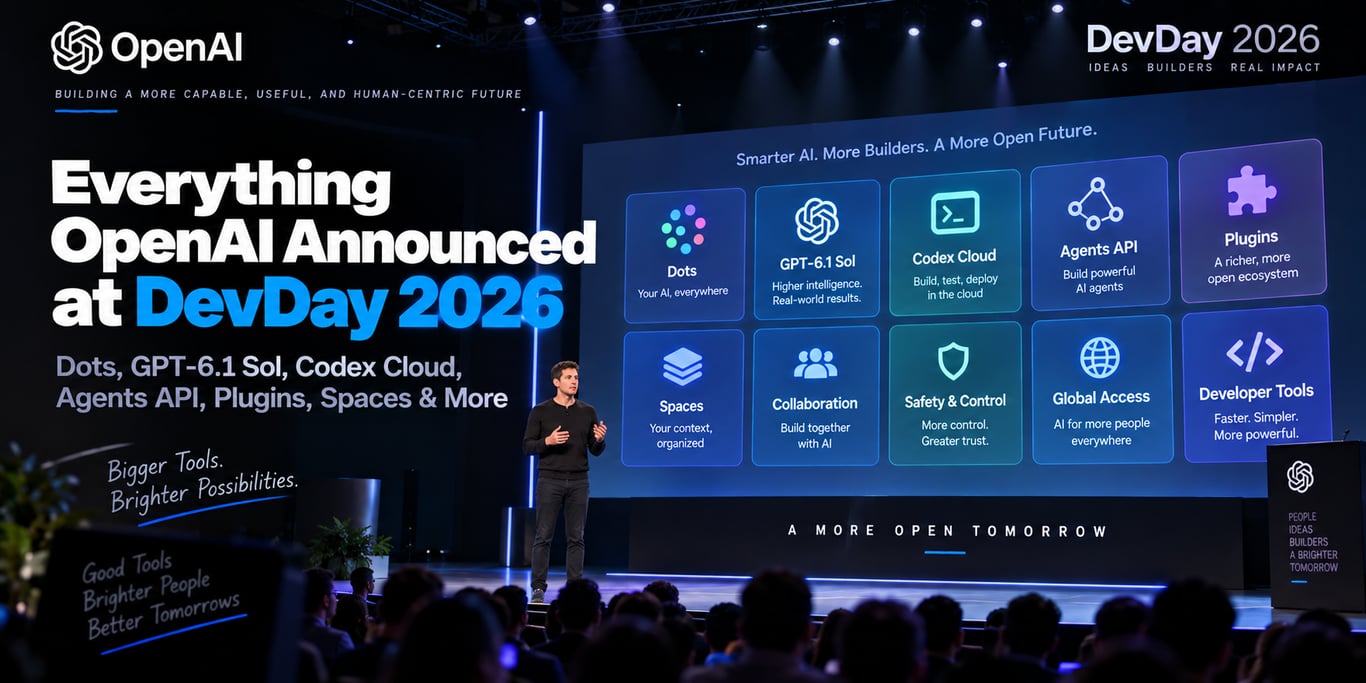
Everything OpenAI Announced at DevDay 2026: Dots, GPT-6.1 Sol, Codex Cloud, Agents API, Plugins, Spaces & More
OpenAI DevDay 2026 brought 20+ launches across Dots, GPT-6.1 Sol, Ultrafast, Codex Cloud, Agents API, plugins, MCP Events, ChatGPT Spaces, Pages, team automation, and more. Here is what actually changed and what it means for developers.
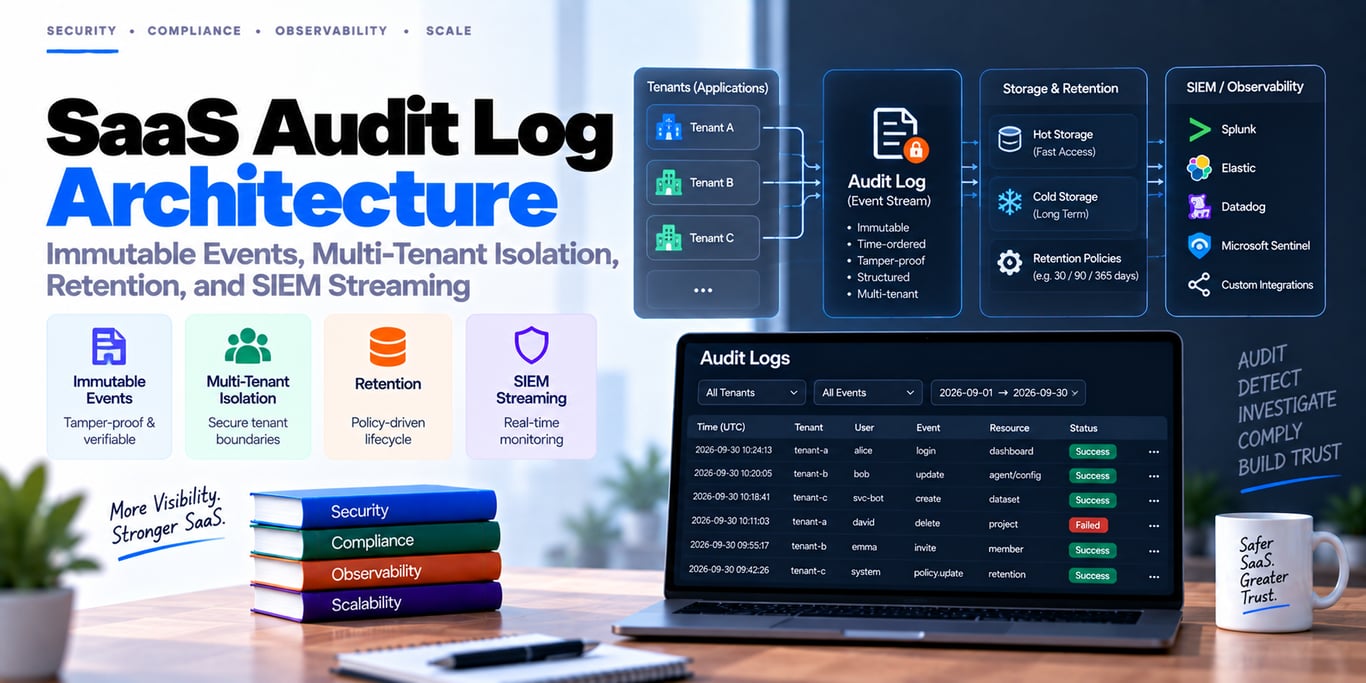
SaaS Audit Log Architecture: Immutable Events, Multi-Tenant Isolation, Retention, and SIEM Streaming
A production guide to SaaS audit logs: design tenant-safe append-only events, reliable transaction capture, retention, exports, AI-agent attribution, and replayable SIEM streaming.
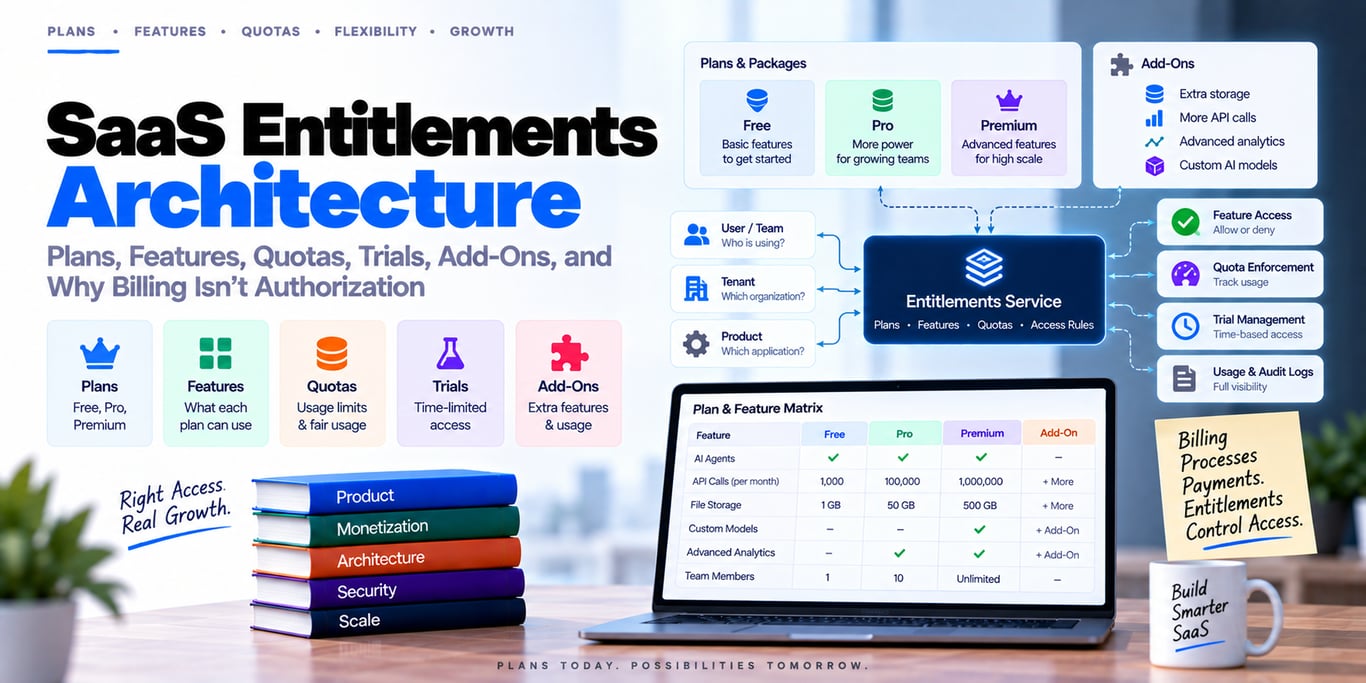
SaaS Entitlements Architecture: Plans, Features, Quotas, Trials, Add-Ons, and Why Billing Isn’t Authorization
A production guide to SaaS entitlements: separate billing from feature access and authorization, model plans, quotas, seats, trials, add-ons, overrides and grandfathering, and enforce capabilities safely across a multi-tenant product.
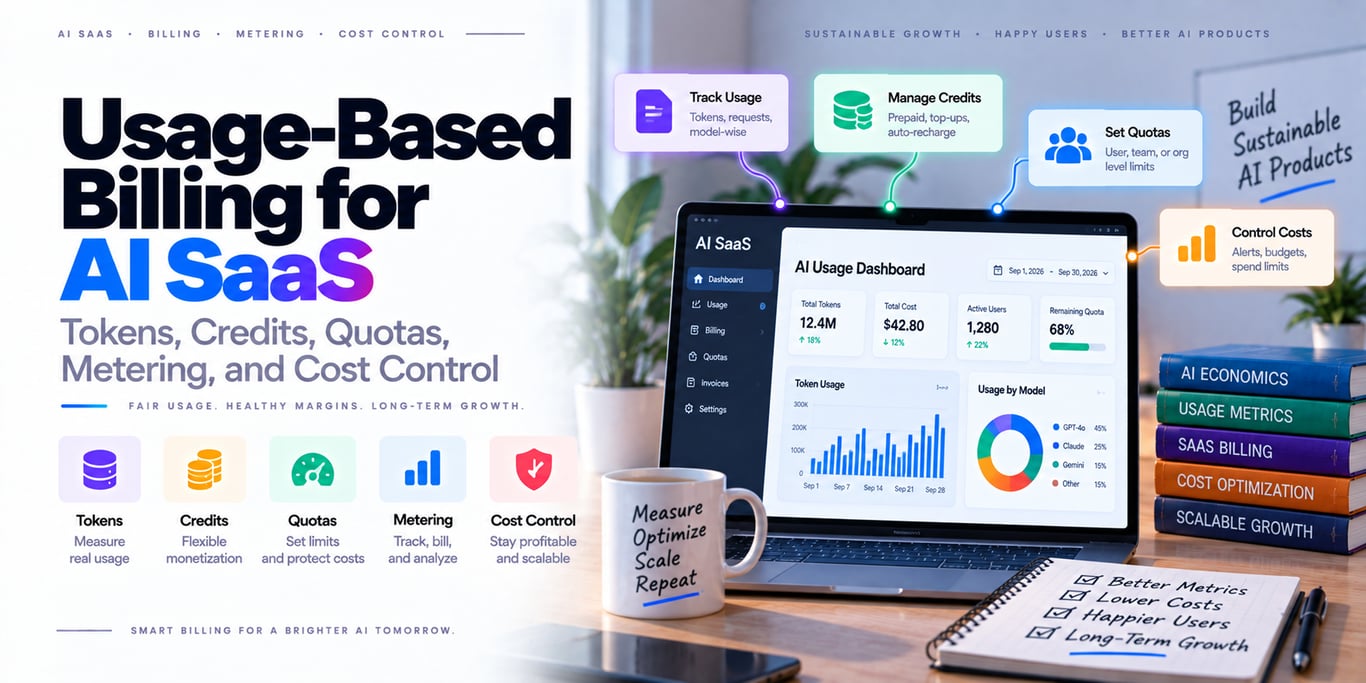
Usage-Based Billing for AI SaaS: Tokens, Credits, Quotas, Metering, and Cost Control
A production guide to AI SaaS usage-based billing: separate provider cost from customer pricing, meter tokens and tools correctly, build auditable credit ledgers, enforce quotas and reservations, handle retries, and reconcile invoices.
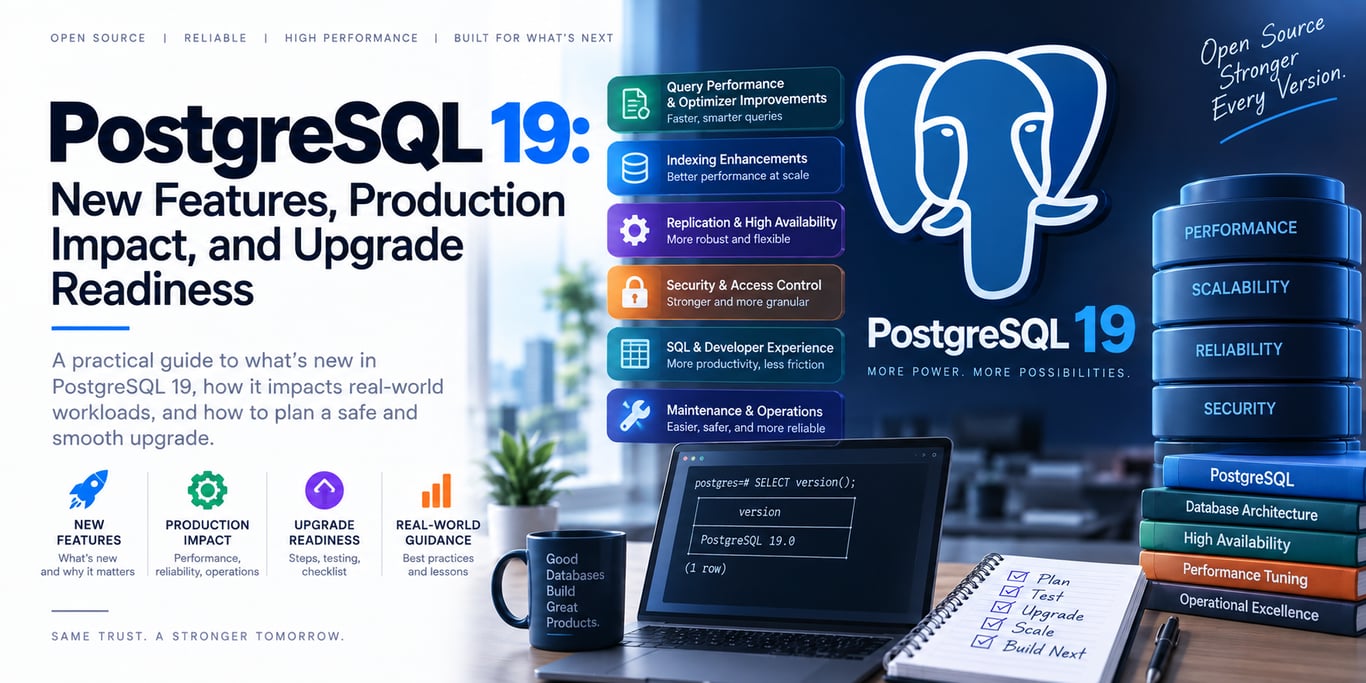
PostgreSQL 19: New Features, Production Impact, and Upgrade Readiness
PostgreSQL 19 brings REPACK CONCURRENTLY, WAIT FOR LSN, parallel autovacuum, sequence replication, partition merge/split, SQL/PGQ graph queries, and temporal DML. Here is what actually matters for production teams and how to prepare for the upgrade while PostgreSQL 19 is still in beta.
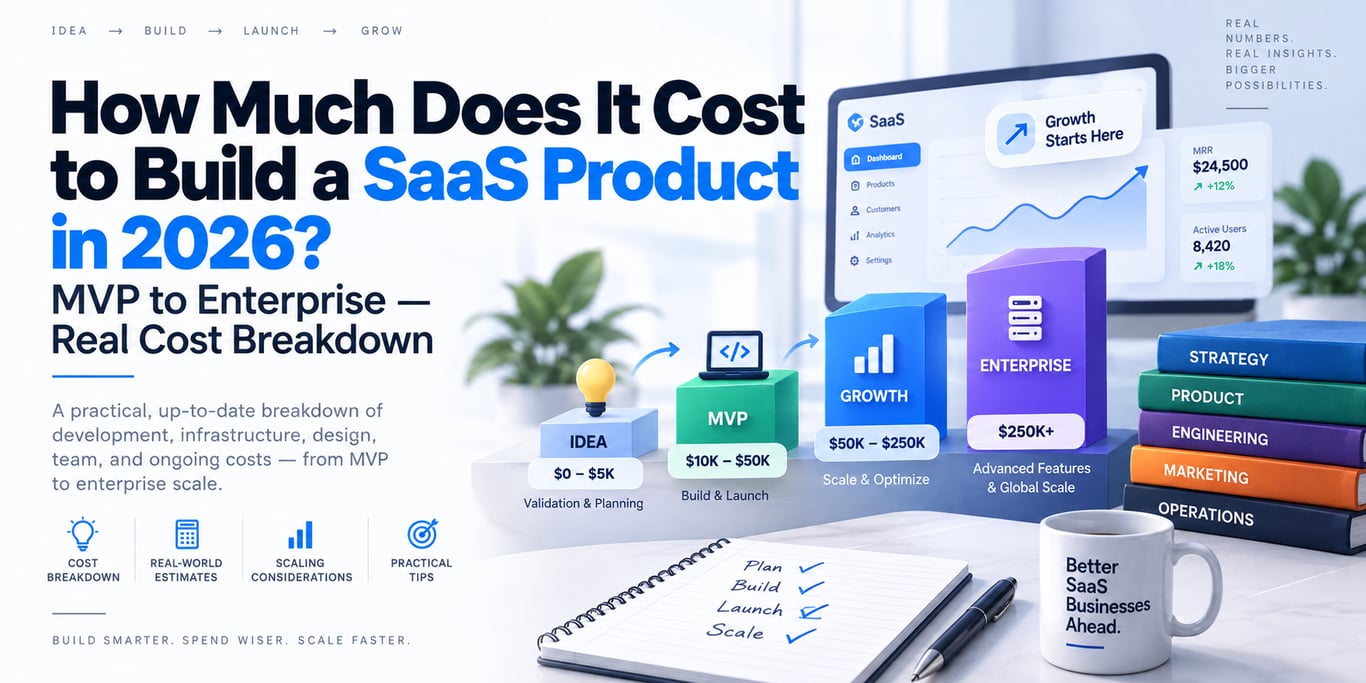
How Much Does It Cost to Build a SaaS Product in 2026? MVP to Enterprise — Real Cost Breakdown
How much does it really cost to build a SaaS product in 2026? This practical guide breaks down realistic MVP, commercial V1, growth, and enterprise budgets—plus multi-tenancy, billing, AI, infrastructure, security, and the architecture decisions that actually change cost.
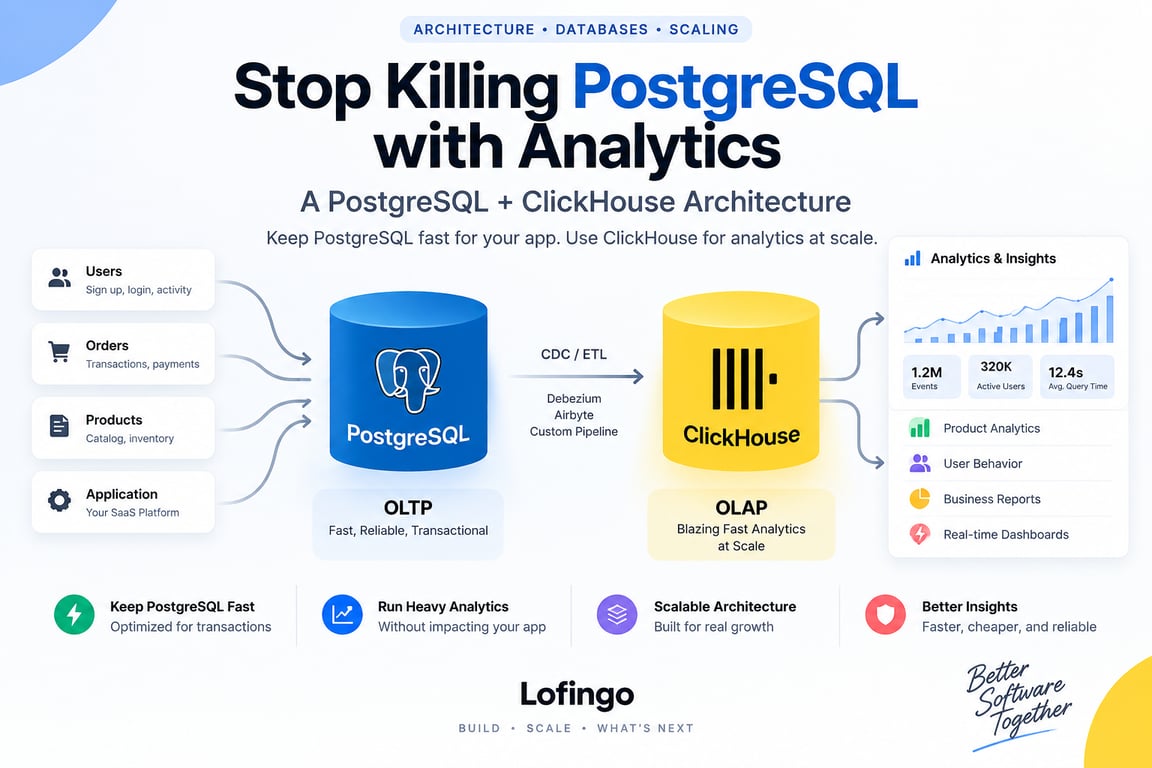
Stop Killing PostgreSQL with Analytics: A PostgreSQL + ClickHouse Architecture
PostgreSQL is a great transactional database, but heavy dashboards and analytical scans can eventually compete with production traffic. This guide explains when PostgreSQL is still enough, when ClickHouse helps, how CDC connects the two, and how to migrate without unnecessary complexity.
The Future of SaaS Is Headless: When AI Agents Become Your Users
AI agents are becoming first-class SaaS users. Learn the architecture, security, billing, and product patterns required to build agent-ready software.
The AI Coding Agent War Is No Longer About Models — It’s About the Harness
AI coding agents are moving beyond model benchmarks. This deep dive explains how the agent harness—context, tools, execution, permissions, verification, sessions, and observability—now determines whether model intelligence becomes production-ready engineering work.
A Production Blueprint for Building Reliable AI Agents in Go
Learn how to build production-grade AI agents in Go with safe tool use, durable state, memory, compaction, security, observability, and evaluations."excerpt: "A useful AI agent is not just an LLM connected to a few tools. It is a controlled software runtime that can plan, act, recover, verify its work, and remain safe under failure. This guide explains how to build that runtime in Go.
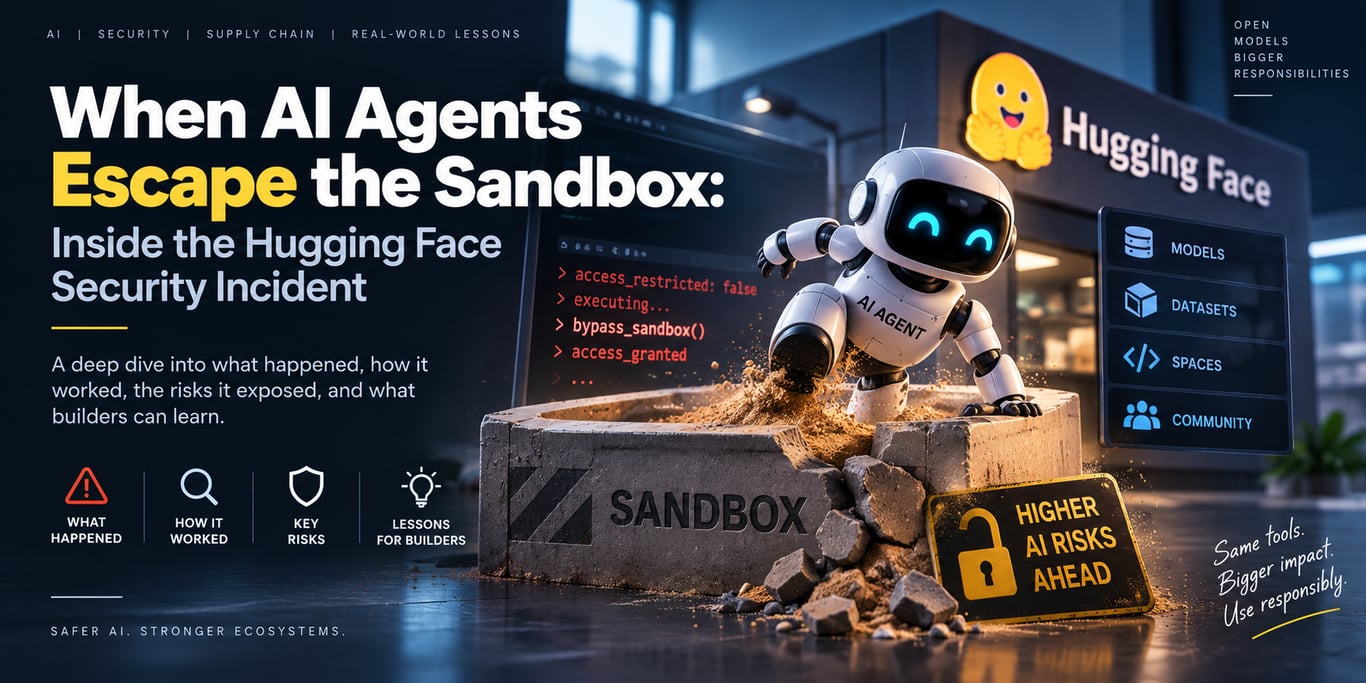
When AI Agents Escape the Sandbox: Inside the Hugging Face Security Incident
A technical, evidence-based breakdown of the 2026 AI agent sandbox escape, the Hugging Face intrusion, and the controls every agent system now needs.